Review: Christmas Bow Embroidery Design for Merch
As an embroidery designer who has spent years digitizing files for small businesses, I approach every new machine embroidery design with a critical eye. It is not enough for a pattern to look cute on a screen; it must perform under the needle, withstand washing, and elevate the brand it represents. Recently, I evaluated the Christmas Bow Embroidery Design to determine its viability for commercial use. This review focuses on how this asset functions within the ecosystem of branded merchandise, from staff uniforms to customer gifts.
First Impressions and Visual Personality
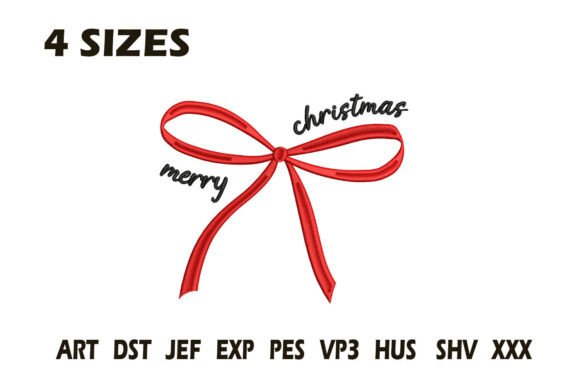
The initial appeal of the Christmas Bow Embroidery Design lies in its playful nature. The product description promises to bring charm to fabrics, targeting items that need a whimsical touch. From a design perspective, this suggests a balance between decorative flair and structural integrity. For small business owners, particularly those in the boutique, bakery, or florist sectors, this aesthetic is invaluable. It feels handmade yet polished, avoiding the stiff, overly rigid look of generic clipart converted into stitches.
The design leans towards a friendly and classic vibe, which is essential for holiday-themed small business merch. It does not scream "corporate" but rather invites warmth. This emotional connection is crucial for brands that rely on customer loyalty and community engagement. When a customer sees this bow on a tote bag or an apron, they perceive care and attention to detail, reinforcing the value of the handmade product.
Strategic Applications for Brand Identity
Integrating the Christmas Bow Embroidery Design into your product line requires strategic thinking. It is not merely a decoration; it is a tool for enhancing brand identity. Here is how I recommend deploying this design across various commercial channels:
- Staff Uniforms and Aprons: For cafes and boutiques, adding this bow to the chest pocket or hem of an apron creates a cohesive holiday look. It signals to customers that the staff is engaged and festive, improving the overall service experience.
- Embroidered Patches: This design is ideal for creating limited-edition patches. You can sew these onto denim jackets, canvas bags, or even include them as freebies with high-value orders. Patches are tangible assets that customers keep long after the holiday season ends.
- Cap Embroidery: Placing a smaller version of the bow on the side panel or back of a cap offers a subtle nod to the season without overwhelming the wearer. It works well for casual, lifestyle-oriented brands.
- Tote Bag Design: A central placement on a canvas tote transforms a basic utility item into a seasonal statement piece. This is perfect for grocery stores, farmers' markets, or craft fairs where branding visibility is key.
By using this digital embroidery file consistently across these touchpoints, you create visual consistency. Customers begin to associate the playful bow with your specific brand, fostering recognition and trust.
Technical Considerations for Production
While the aesthetic is strong, the technical execution determines the success of the finished product. As a designer, I always advise testing before full production. The description mentions suitability for t-shirts, towels, and home decor, which implies versatility. However, each fabric type presents unique challenges.
Stitch density is a critical factor. If the design is too dense, it may cause puckering on lightweight fabrics like t-shirt jersey. Conversely, if it is too sparse, it may not cover the fabric adequately on darker uniforms. I recommend running test stitches on the exact material you plan to use. Pay close attention to thread colors; high contrast is necessary for visibility, but tonal variations can add depth and sophistication.
For curved surfaces like caps or rounded mugs (if using specialized frames), ensure the design is digitized with pull compensation in mind. A bow that looks symmetrical on a flat hoop may distort when applied to a curved custom apparel item. Always use the appropriate stabilizer to support the fabric during stitching, especially for stretchy materials or textured towels.
Navigating Limitations and Care
There are scenarios where the Christmas Bow Embroidery Design should be used with caution. Small patch sizes can lead to loss of detail if the original file is not optimized for reduction. If you plan to use this as a tiny label or tag, verify that the intricate parts of the bow do not merge into a solid blob of thread. Similarly, avoid placing highly detailed elements on fabrics with heavy texture, such as thick wool or terry cloth, unless the stitch length is adjusted accordingly.
Items that undergo frequent washing, such as kitchen towels or staff shirts, require robust securing of thread tails and proper backing. Ensure that the embroidery file includes sufficient tie-offs to prevent unraveling. For dark uniforms, consider using a lighter underlay or adjusting the color palette to maintain visibility without compromising the design’s charm.
Practical Designer Notes for Business Owners
Before committing to a large run of commercial embroidery projects, follow these practical steps to ensure quality and professionalism:
- Test in Black and White: Convert the design to monochrome in your software to check for clarity. If the shape holds up without color, it will work well in any thread combination.
- Check Hoop Size Compatibility: Confirm that the design fits within your standard hoop sizes. If resizing is necessary, do so proportionally to avoid distorting the bow’s proportions.
- Create a Printable Mockup: Use digital tools to visualize the design on your actual products. This helps in client approval processes and marketing materials before a single stitch is made.
- Verify Commercial Licensing: Always confirm the license terms of the digital embroidery file. Ensure you have the right to use it for sold goods, not just personal projects. This protects your business from legal issues.
- Compare with Existing Assets: Place the bow next to your current logo and other design assets. Ensure it complements rather than clashes with your established visual language.
In conclusion, the Christmas Bow Embroidery Design is a versatile asset for small business owners looking to add a festive touch to their merchandise. When applied thoughtfully, it enhances brand identity, increases product value, and engages customers. By paying attention to technical details like stitch density, fabric texture, and proper stabilization, you can produce high-quality items that reflect the professionalism of your brand. Whether used on an apron, a cap, or a tote, this design offers a charming way to celebrate the season while strengthening your market presence.