Reviewing Layers of Wisconsin Embroidery Files
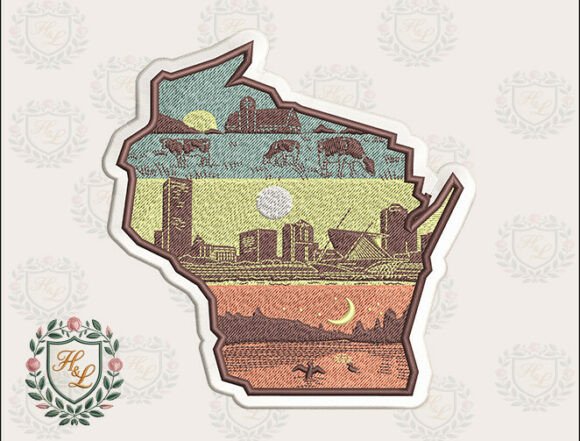
As an embroidery designer who has spent countless weekends behind a craft fair table, I know that the difference between a browsing customer and a buying customer often comes down to visual impact. When I first pulled up the Layers of Wisconsin Embroidery Files, my immediate thought was not just about the stitch path, but about the story it tells. This is not merely a graphic; it is a piece of regional pride wrapped in thread. For those of us selling in North America, specifically in the Midwest or to tourists visiting the area, this design hits a sweet spot between rustic charm and modern appliqué aesthetics.
First Impressions and Market Fit
The title suggests depth and texture, and the description confirms it is a high-quality digital appliqué design. In the world of machine embroidery, appliqué is a double-edged sword. It requires more steps than a standard satin stitch design, but the payoff in perceived value is immense. When I look at this file, I see a design that feels farmhouse yet polished. It is not overly busy, which is crucial for a craft fair product. Customers walking past a booth need to understand what they are looking at within three seconds. The layered approach likely offers bold shapes that read well from a distance, making it an excellent candidate for catching the eye in a crowded marketplace.
This embroidery file seems tailored for those who want to create items that feel substantial. It does not scream "cheap souvenir." Instead, it whispers "handmade quality." For an Etsy seller or a boutique maker, this distinction is vital. It allows you to price your finished product higher because the labor and material costs of appliqué justify a premium price point.
Product Applications That Sell
Let’s talk about where this design truly shines. The description mentions shirts, tote bags, pillows, and festive decorations. Based on my experience, here is how I would deploy this design for maximum profit:
- Tote Bags: A canvas tote with this appliqué design is a bestseller. The sturdy fabric supports the weight of the appliqué pieces without puckering. It becomes a functional tote bag design that customers use for grocery runs, effectively turning them into walking billboards for your brand.
- Aprons and Tea Towels: Kitchen textiles are huge in the handmade market. An apron embroidery project using this file adds a personal touch that mass-produced items lack. For tea towel embroidery, ensure you use a lightweight stabilizer to prevent the towel from becoming stiff.
- Patches and Pouches: If you want to minimize risk, try this as an embroidered patch. You can hoop a large piece of denim or twill, stitch multiple copies, and then cut them out. These can be sold individually or applied to small fabric pouches and caps.
- Pillow Covers: Home decor buyers love regional flair. A neutral linen pillow cover with this vibrant, layered design creates a focal point that feels both cozy and curated.
Production Realities and Practical Notes
While the visual appeal is strong, we must address the practical side of production. Appliqué designs require precision. You are dealing with multiple steps: placing the fabric, stitching the placement line, trimming the excess, and then stitching the tack-down border. When reviewing Layers of Wisconsin Embroidery Files, I recommend checking the stitch density of the border stitches. If they are too dense, they may cause perforation in lighter fabrics like cotton tees. If they are too loose, the edges of your appliqué fabric might fray over time.
Another critical factor is thread colors. Since this is a layered design, contrast is key. Do not choose thread colors that blend into your appliqué fabric. For example, if you are using a cream-colored fabric for the layers, use a contrasting thread like navy or forest green to define the edges. This ensures the design pops, especially when photographed for online listings.
Be cautious with curved surfaces like caps. While possible, aligning a multi-layered appliqué on a curved cap brim or front panel can be tricky. If you are new to cap embroidery, stick to flat goods like small shop product staples such as tote bags and pillow covers until you master the alignment.
Visual Appeal and Brand Consistency
Why does this design work for brand building? Because it is versatile. Whether you are selling at a local farmers' market or shipping nationwide, the theme of Wisconsin resonates. It evokes feelings of home, nature, and tradition. When you use this digital embroidery file across different products, you create a cohesive collection. A customer who buys a tote bag might come back for a matching pillow cover because the design language is consistent.
For your booth display, this design acts as an anchor. Place your most impressive sample—perhaps a large tote or a framed hoop art piece—at eye level. The layers should catch the light, showing off the texture of the fabric against the thread. This tactile quality is something commercial embroidery factories cannot easily replicate, giving you a competitive edge.
Designer Tips for Success
Before you list this as a handmade product, follow these steps to ensure quality:
- Test on Scrap Fabric: Never run a new appliqué file on your final product first. Test it on the same type of fabric you intend to sell. Check for puckering or shifting.
- Check Hoop Size: Verify the required hoop size before purchasing. Ensure your machine can accommodate the dimensions, especially if you plan to stitch larger items like full-front aprons.
- Use the Right Stabilizer: Appliqué adds bulk. Use a cut-away stabilizer for stretchy fabrics and a tear-away for woven fabrics like canvas or linen. This prevents distortion after washing.
- Create a Printable Mockup: Before stitching, use a printable mockup or digital preview to see how the colors interact. This saves thread and time.
- Confirm Licensing: Always check the license terms of the design assets. Most designers allow you to sell finished physical products, but confirm this to protect your business.
In conclusion, Layers of Wisconsin Embroidery Files is a strong contender for any maker looking to expand their regional or rustic-themed inventory. It balances aesthetic appeal with production feasibility. By paying attention to fabric choice, thread contrast, and stabilizer selection, you can turn this digital file into a best-selling physical item. Whether you are an experienced Etsy seller or just starting your journey in Embroidery, this design offers the versatility and charm needed to stand out in today’s handmade market.