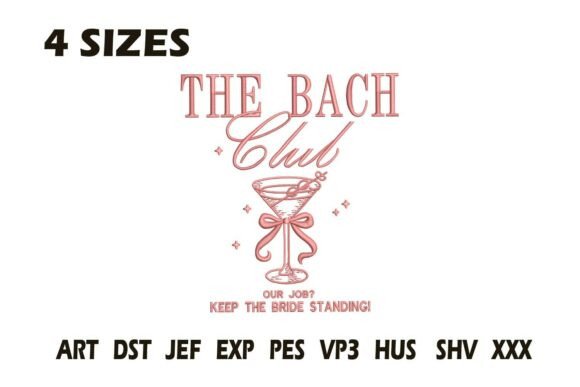
Reviewing The Bach Club Embroidery for Real Projects
As a designer who has spent countless hours staring at digitized files and watching needles dance across fabric, I have learned that not every machine embroidery design is created equal. Some look stunning on a screen but turn into a tangled mess of thread breaks and puckering on the hoop. When I first pulled up The Bach Club Embroidery, my initial reaction was one of cautious optimism. It promised a unique touch for clothing and home décor, but promises mean little until the needle hits the fabric.
In this review, I am evaluating this design not just as a digital asset, but as a practical component for real-world embroidery projects. Whether you are an Etsy seller looking to expand your craft business inventory or a hobbyist making a personalized gift, understanding how this file behaves under pressure is crucial.
First Impressions and Visual Personality
The mood of The Bach Club Embroidery is immediately apparent. It carries a celebratory, spirited energy that fits squarely into the Bachelorette category, yet it avoids the clichéd tropes that often plague this niche. The layout feels balanced, with a visual personality that suggests fun without sacrificing professionalism. For a designer, this is key. We need assets that feel fresh, not recycled.
The detail level appears moderate, which is a good sign. Overly complex designs often fail on textured fabrics, while overly simple ones can look cheap. This design seems to strike a middle ground, relying on clean lines and thoughtful spacing. When I imagine this stitched out, I see it working best where clarity is paramount. It does not rely on microscopic details that might get lost in the weave of a towel or the pile of a fleece sweatshirt.
Real-World Application: The Tote Bag Test
To truly test a design, you must imagine it in a specific context. I recently worked on a custom order for a bridal party, and The Bach Club Embroidery came to mind for a set of canvas tote bag design concepts. Canvas is unforgiving; it shows every pucker and misalignment.
If I were using this file for a tote, I would focus on the stitch density. A dense fill stitch can make canvas stiff and heavy, while a running stitch or light satin stitch keeps it flexible. Based on the visual structure of this design, it seems versatile enough to handle different stitch types. For a boutique product, this versatility allows me to adjust the settings based on the fabric weight. If the design includes solid areas, I would ensure the underlay is sufficient to prevent the fabric from showing through, especially if using lighter thread colors on natural canvas.
Sweatshirts and Apparel Considerations
Moving from totes to custom apparel, let’s consider sweatshirt embroidery. This is a high-demand item for small shop owners. The challenge here is the texture. Fleece and French terry can swallow up fine details. The Bach Club Embroidery appears robust enough to stand out against a fuzzy background, provided the contrast is right.
I would recommend using a cut-away stabilizer for stretchy fabrics like jersey tees to maintain the shape of the design after washing. For caps, which have curved surfaces, I would be more cautious. Curved hoops distort designs, so if this element has wide horizontal spans, it might bow. Always check the width relative to your hoop size before committing to a cap project.
Technical Performance and Stitch Quality
When evaluating any digital embroidery file, we must look beyond the pretty picture. How does it perform? While I do not have the exact stitch count or file format details from the brief description, general best practices apply.
- Stitch Density: Check if the design uses too many overlapping stitches, which can cause thread breaks.
- Thread Colors: Plan your palette carefully. High contrast makes the design pop, while monochromatic schemes offer a subtle, elegant look.
- Fabric Texture: Test on scrap fabric first. What works on cotton may fail on silk or denim.
For those creating an applique design variation, this layout could serve as an excellent base. Adding fabric layers can reduce stitch count and add texture, making it ideal for baby items where softness is a priority. However, always confirm if the file includes applique placement stitches or if you need to digitize that step yourself.
Where to Use Caution
No design is perfect for every situation. There are specific scenarios where The Bach Club Embroidery might require extra attention. If you are working with thin fabric, such as chiffon or lightweight rayon, the pull of the stitches can distort the material. In these cases, use a heavy-duty stabilizer and consider reducing the stitch density if your software allows.
Dark fabrics present another challenge. If the design relies on fine outlines, they may disappear against black or navy backgrounds. I always test my designs in black and white mockups to ensure the silhouette remains strong regardless of color. Additionally, if the design includes tiny lettering or intricate corners, verify that your machine can handle the sharp turns without bunching thread.
Commercial Value and Brand Consistency
For commercial embroidery professionals, consistency is currency. Customers trust brands that deliver uniform quality. Using a well-balanced design like this helps maintain that trust. It looks professional, which enhances the perceived value of the finished product.
Whether you are selling holiday embroidery gifts or year-round small shop products, the visual appeal of your items drives buyer engagement. A clean, well-executed design signals care and craftsmanship. It tells the customer that you respect their money and their style. This is particularly important for personalized gifts, where the emotional value is tied to the presentation.
Practical Designer Notes
- Test First: Never run a new design on final goods. Use scrap fabric of the same type.
- Check Licensing: Before selling finished items or using this as a design asset for clients, confirm the license terms. Some files allow personal use only, while others permit commercial sales.
- Hoop Size: Ensure the design fits comfortably within your hoop with margin for error.
- Mockups: Use printable mockup tools to visualize the design on different products before stitching.
In conclusion, The Bach Club Embroidery offers a promising foundation for creative projects. It fits naturally into the Bachelorette theme but extends its utility to various handmade products. By paying attention to fabric choice, stabilizer selection, and stitch settings, you can transform this digital file into a tangible asset that delights customers and strengthens your brand. Always verify the specific technical details like file formats and compatibility with your machine, as these were not explicitly detailed in the product summary. With careful execution, this design can be a standout addition to your portfolio.