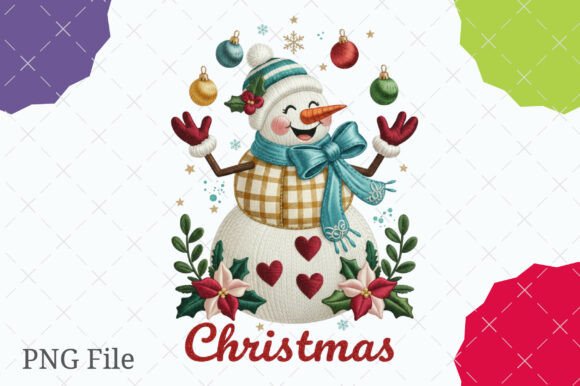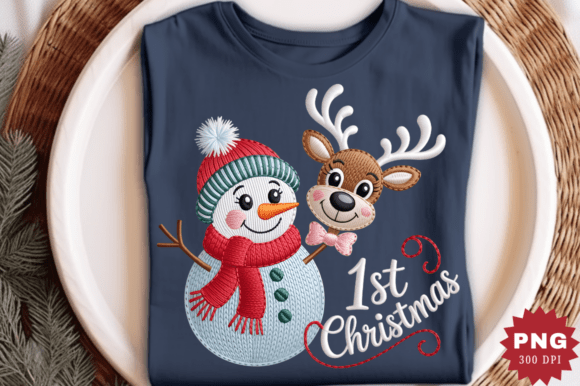
Reviewing the Embroidery 1st Christmas PNG Design
As an embroidery designer who has spent years digitizing patterns and testing them on everything from thick terry cloth to delicate silk, I approach every new digital embroidery file with a critical eye. When I downloaded the Embroidery 1st Christmas PNG Design, my goal was simple: determine if this asset could hold up in a real-world production environment for my personalized gift shop. This is not just about aesthetics; it is about viability, durability, and customer satisfaction.
The first impression of this design is undeniably charming. It captures that specific, heartwarming nostalgia associated with a baby’s first holiday season. The mood is sweet and playful, yet it maintains enough elegance to appeal to parents who want something tasteful rather than overly cartoonish. For those of us creating handmade products, emotional appeal is half the battle. This design succeeds because it feels personal and celebratory without being cluttered.
Visual Appeal and Digital Quality
Since this product falls under the category of Illustrations and Graphics, the quality of the source file matters immensely. The listing specifies a high-resolution 300 DPI PNG file at 2500x2500 pixels. In my workflow, this resolution is crucial for creating crisp printable mockups for Etsy listings before I even thread the needle. A blurry preview can kill a sale, but this file allows for sharp, professional-looking images that highlight the potential of the finished product.
However, it is vital to remember that a PNG is a raster image, not a vector or a native machine embroidery format like PES or DST. As a designer, I use this PNG as a reference template. I trace the outlines to create the actual machine embroidery design, ensuring that the stitch density is appropriate for the fabric I intend to use. This step is non-negotiable for maintaining the integrity of the design.
Versatility in Product Application
The true test of any design is its versatility. I tested this concept across several popular items in my catalog. Here is how the Embroidery 1st Christmas PNG Design performs across different mediums:
- Baby Blankets: This is the most obvious application. The soft, rounded lines of the design complement plush minky or cotton blankets perfectly. It transforms a standard blanket into a cherished heirloom.
- Embroidered Towels: For kitchen or bath towels, the design adds a festive touch. However, towel loops can be tricky. I recommend using a strong cut-away stabilizer to prevent the stitches from sinking into the textured fabric.
- Pillow Covers: A linen pillow cover with this design makes for excellent nursery decor. The contrast between the natural fabric texture and the bright thread colors creates a modern, handmade look.
- Tote Bags and Aprons: These make fantastic gifts for new grandparents. The design scales well, remaining legible even when resized for smaller pockets or larger bag fronts.
For Etsy sellers and small shop owners, offering this as a personalized gift option can significantly boost engagement. Customers are not just buying a product; they are buying a memory. The "1st Christmas" milestone is a powerful marketing hook that drives sales during the fourth quarter.
Technical Considerations and Challenges
While the design is visually appealing, there are technical hurdles you must address before running a production batch. Because this is a cute baby embroidery Christmas design, it likely involves fine details. Here are the areas where I advise caution:
- Small Lettering: If the design includes text, ensure the font size is large enough to be readable after stitching. Tiny letters can merge together, especially on textured fabrics like terry cloth or fleece.
- Fabric Texture: Thick towels and fluffy blankets can obscure fine details. Always test on scrap fabric first. If the design gets lost in the pile, consider increasing the stitch count or simplifying the outline.
- Stretchy Fabrics: Baby clothes often use stretchy knits. Without proper stabilization, the design can pucker or distort. Use a hoop size that securely holds the fabric taut without stretching it out of shape permanently.
- Dark Fabric: If you plan to offer this on dark-colored items, you must adjust your thread colors for maximum contrast. A white or metallic gold thread often pops beautifully against navy or forest green, but always run a test stitch to check visibility.
Another critical factor is washability. Baby items get washed frequently. Ensure your custom embroidery uses high-quality polyester threads that resist fading and fraying. Secure all jump stitches and trim loose ends meticulously to maintain a professional finish.
Enhancing Perceived Value and Trust
From a business perspective, the quality of your presentation dictates the perceived value. Using the high-resolution PNG to create lifestyle mockups helps customers visualize the wedding gift or baby present in their own homes. When buyers see a clear, attractive image of the design on a cozy blanket or a stylish tote, they are more likely to trust your craftsmanship.
This trust translates into higher conversion rates. A well-executed baby embroidery piece suggests attention to detail and care. It signals to the buyer that you are not just mass-producing items, but creating thoughtful, small shop products with love. This emotional connection is what distinguishes independent makers from large retailers.
Final Practical Advice for Makers
Before you list this item in your store, take these final steps to ensure success:
- Check Commercial Licensing: The product description mentions it is a digital download. Always verify the license terms. Ensure you have the right to use the design for commercial embroidery and selling finished physical goods. If the license is unclear, contact the creator before proceeding.
- Confirm Hoop Size: Since the file is a PNG, you will be digitizing or tracing it. Choose a hoop size that fits your machine and the intended product. A 4x4 inch hoop might be too small for a blanket center, while a 5x7 inch hoop offers more flexibility.
- Test Stitch Density: When converting the PNG to an embroidery file, pay close attention to stitch density. Too dense, and the fabric will pucker; too sparse, and the backing will show through. Aim for a balanced fill that covers the fabric without adding unnecessary bulk.
- Mockup Comparison: Create mockups for both light and dark fabrics. This shows potential customers that your product looks good regardless of their color preference, expanding your target audience.
In conclusion, the Embroidery 1st Christmas PNG Design is a strong contender for holiday collections. It offers the emotional resonance needed for meaningful gifts and the visual clarity required for effective marketing. By respecting the technical limitations of embroidery and paying attention to fabric choice and stabilization, you can turn this digital graphic into a best-selling personalized gift that delights customers and builds your brand reputation.