Reviewing the Mince Pie Machine Embroidery Design
As a designer who has spent countless hours digitizing and stitching out holiday motifs, I approach every new machine embroidery design with a mix of curiosity and skepticism. The market is flooded with generic seasonal graphics, so finding a file that balances charm with technical stitchability is rare. Recently, I tested the Mince Pie Machine Embroidery Design to see if it holds up under the scrutiny of real-world production. This isn’t just about whether it looks cute on screen; it’s about how it performs on fabric, how it translates to a finished product, and whether it adds genuine value to a craft business.
First Impressions and Visual Personality
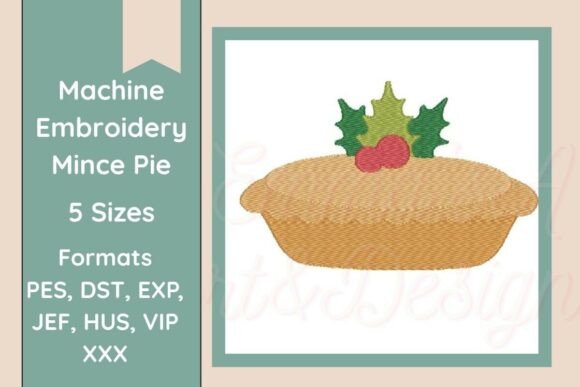
The first thing that strikes you about this design is its warmth. It captures the essence of traditional holiday baking without relying on cliché clip-art aesthetics. The layout is compact yet detailed, suggesting a thoughtful approach to stitch density and color placement. For an embroidery project intended to evoke nostalgia, the visual personality here is spot-on. It feels homemade in the best possible way, which is exactly what customers look for when buying handmade products.
The design is available in five sizes, ranging from 1 inch to 5 inches. This versatility is crucial for a professional reviewer. A 1-inch version might serve as a subtle accent on a cuff or collar, while the 5-inch variant commands attention as a central motif. Having these options in all major machine formats means you aren’t locked into a single hoop size, allowing for greater creative freedom across different design assets.
Real-World Application: The Holiday Tote Test
To truly evaluate the Mince Pie Machine Embroidery Design, I decided to use it for a custom order: a set of canvas tote bags for a local boutique’s holiday gift-with-purchase campaign. This scenario tests several critical factors: fabric texture, stability, and visual impact from a distance.
I chose a medium-weight cotton canvas, paired with a cut-away stabilizer to ensure the design remained crisp after repeated use. The 4-inch size proved ideal for this application. It was large enough to be recognizable but small enough to leave room for personalized text below. The stitching clarity was impressive. The transition between the crust texture and the filling details relied on a mix of satin stitch borders and fill stitch interiors, which prevented the design from looking flat.
Customers reacted positively to the tactile quality of the embroidery. Unlike printed designs, the raised texture of the threads added a premium feel to the tote bag design. This reinforces the idea that well-chosen digital embroidery files can significantly elevate the perceived value of a small shop product.
Versatility Across Product Lines
Beyond tote bags, this design shows promise in various commercial embroidery contexts. For sweatshirt embroidery, the larger 5-inch size works beautifully on the chest or back, provided you adjust the thread colors to contrast sufficiently with the garment. On darker fabrics, using lighter threads for the crust highlights can prevent the design from getting lost.
For baby embroidery, the smaller 1-inch and 2-inch sizes are adorable on onesies or bibs. However, caution is advised. Babies have sensitive skin, so ensuring that the back of the stitching is smooth and free of scratchy trimmings is essential. Using a soft tear-away stabilizer and covering the back with a fusible interfacing can make the personalized gift more comfortable for daily wear.
Apparel decorators might also consider this for custom apparel like aprons or kitchen towels. The theme naturally fits culinary settings, making it a strong seller for housewarming or wedding gifts. When used on curved surfaces like caps, the 2-inch size is manageable, but you must hoop carefully to avoid distortion. An embroidered patch approach might be safer for hats, allowing you to stitch on flat fabric before applying it to the curved cap surface.
Technical Considerations and Potential Pitfalls
While the design is robust, no file is universal. There are specific scenarios where the Mince Pie Machine Embroidery Design requires careful handling. On thin or stretchy fabrics, such as jersey knits or silk, the stitch density could cause puckering if not properly stabilized. Always test on scrap fabric first. This simple step saves wasted material and protects your reputation as a professional.
Another consideration is the level of detail in the smallest sizes. At 1 inch, fine details may merge if the thread tension is too loose or if the needle size is too large. For tiny applications, consider simplifying the thread palette to reduce jump stitches and maintain clarity. Additionally, on textured fabrics like terry cloth or fleece, the intricate edges might get lost. In these cases, using a contrasting backing or opting for a slightly larger size can help the design pop.
If you are creating a printable mockup for your Etsy listings, remember that digital previews often look sharper than stitched reality. Be honest in your product descriptions about the texture and scale. Buyers appreciate transparency, which builds trust and reduces returns.
Enhancing Brand Consistency and Value
For Etsy sellers and creative entrepreneurs, consistency is key. This design fits seamlessly into a broader holiday collection. By using consistent thread palettes across different products—such as matching the pie crust color to other autumnal items in your shop—you create a cohesive brand identity. This attention to detail signals professionalism and encourages repeat customers.
The holiday embroidery niche is competitive, but unique, high-quality designs stand out. This mince pie motif offers a fresh alternative to standard snowflakes and trees. It appeals to buyers looking for something cozy and specific, rather than generic. When incorporated into design assets for social media or packaging, it reinforces the handmade, artisanal vibe that drives engagement.
Final Designer Notes
Before launching any product featuring this machine embroidery design, take time to review the licensing terms. Ensure you have the right to sell finished items or digital products if that is your business model. Check the specific file formats provided to confirm compatibility with your machine software.
Test the design on both light and dark backgrounds to determine the best thread combinations. A black-and-white mockup can reveal contrast issues that color screens might hide. Pay attention to the hoop size requirements for each variant to avoid resizing errors that distort the aspect ratio.
In conclusion, the Mince Pie Machine Embroidery Design is a versatile and charming addition to any holiday catalog. It performs well across various fabrics and product types, from custom apparel to home decor. With proper stabilization and thoughtful color choices, it delivers the high-quality finish that customers expect from professional craft business items. It is a reliable tool for makers who want to add a touch of festive flavor to their work without compromising on technical integrity.