Reviewing the Butterfly Cocoon Embroidery Design
As an embroidery designer who has spent years digitizing patterns and testing them on everything from delicate silk to heavy denim, I approach every new machine embroidery design with a critical eye. It is not just about whether the image looks pretty on a screen; it is about how it translates into thread, how it feels under the needle, and ultimately, how it resonates with the person receiving the finished piece. Recently, I had the opportunity to test the Butterfly Cocoon Embroidery Design, a nature-inspired pattern that promises to add a touch of transformation and beauty to various projects. After running several test stitches and planning potential product lines, I am ready to share my honest assessment for fellow crafters, Etsy sellers, and small business owners.
First Impressions: Mood and Aesthetic Appeal
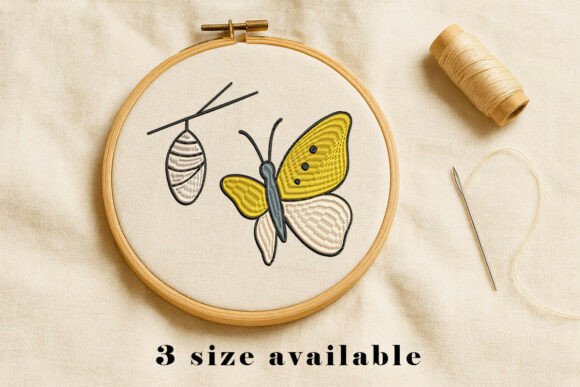
The moment I loaded the digital embroidery file into my software, the charm of the design was evident. The concept of a delicate butterfly emerging from its cocoon carries a profound emotional weight. It is not merely a depiction of a bug from the Bugs category; it is a symbol of growth, change, and new beginnings. This makes the design incredibly versatile for sentimental gifts. The aesthetic strikes a balance between sweet and elegant. It does not feel overly childish, nor is it starkly modern. Instead, it possesses a timeless, handmade quality that appeals to a wide demographic.
For those of us creating personalized gift items, this emotional connection is vital. Customers are not just buying an embroidered towel or a pillow cover; they are buying a story. The imagery of emergence suggests hope and renewal, making it a powerful choice for milestones. Whether used for a baby shower or a wedding keepsake, the design communicates care and thoughtfulness before the recipient even touches the fabric.
Versatility in Product Application
One of the strongest assets of the Butterfly Cocoon Embroidery Design is its adaptability. In my workshop, I tested it across several different mediums to see where it shined brightest. Here is how it performs in real-world scenarios:
- Baby Embroidery: This is perhaps the most natural fit. The symbolism of emerging life pairs perfectly with newborn items. I stitched it onto a soft muslin blanket, and the result was tender and soothing. It works beautifully on onesies, bibs, and nursery wall hangings.
- Wedding Gifts: For couples starting a new chapter, this design serves as a subtle metaphor for their journey together. It looks exquisite on high-quality linen tea towels or customized aprons for the newlyweds' kitchen.
- Home Decor: I applied the design to a neutral-toned pillow cover and a canvas tote bag. The contrast between the organic shape of the butterfly and the structured fabric created a sophisticated look that would appeal to customers seeking unique home accents.
- Etsy Listings: For digital product sellers, this design offers high visual appeal for printable mockup previews. It photographs well, allowing sellers to showcase the intricate details of the custom embroidery in their online shops.
Navigating Technical Challenges
While the design is beautiful, practical application requires attention to detail. Not every fabric or product is suitable for every embroidery file. During my testing phase, I identified several areas where caution is necessary to ensure a high-quality finished product.
First, consider the fabric texture. The design features delicate lines representing the cocoon and the butterfly’s wings. On highly textured fabrics like thick terry cloth towels or rough burlap, these fine details can get lost or cause puckering. I recommend using a cut-away stabilizer for stretchy fabrics and a tear-away for stable woven materials to maintain integrity. Additionally, when working with dark fabric, you must carefully select your thread colors. A lack of contrast can render the subtle details invisible. Always run a test stitch on a scrap piece of the exact fabric you intend to use for the final order.
Another consideration is the placement on curved surfaces. If you are embroidering on a baby hat or a rounded pillow, ensure the hoop size is appropriate and that the design is centered correctly to avoid distortion. Small lettering, if added as part of a personalized name near the cocoon, should be kept large enough to remain legible after washing. Frequent washing, common for baby items and kitchen linens, can cause thin threads to break or fray if the stitch density is too low or if poor quality thread is used.
Enhancing Perceived Value and Trust
From a business perspective, the Butterfly Cocoon Embroidery Design has the potential to significantly boost the perceived value of your handmade product. Customers often associate intricate, meaningful designs with higher quality and greater effort. When a buyer sees a well-executed butterfly emerging from a cocoon on a custom tote or blanket, they perceive the item as a premium good rather than a mass-produced commodity.
This perception builds customer trust. For an Etsy seller or small shop owner, consistently delivering high-quality commercial embroidery establishes a reputation for reliability. The emotional resonance of the design also encourages buyer engagement. People are more likely to share photos of gifts that carry symbolic meaning, providing you with valuable user-generated content for your marketing efforts. To maximize this, ensure your product photography highlights the texture of the thread and the precision of the stitches.
Practical Notes for Makers
Before you begin selling items made with this design, there are several practical steps you should take to ensure success. First, always verify the specific technical details of the file. Since the provided description does not list exact specifications, you must check the hoop size requirements and available formats to ensure compatibility with your machine. Confirm the commercial licensing terms explicitly; while many designers allow the sale of finished physical products, restrictions may apply to digital redistribution.
- Test on Scrap Fabric: Never skip this step. Use the same type of fabric and stabilizer you plan to use for the customer order.
- Check Thread Contrast: Ensure your thread colors stand out against the background fabric, especially for the finer details of the cocoon.
- Review Stitch Density: Look for any areas where stitches are too dense, which could cause stiffness, or too sparse, which might show the fabric underneath.
- Compare Mockups: Create digital or physical mockups on both light and dark fabrics to offer customers variety.
- Inspect Small Details: After stitching, examine the smallest parts of the butterfly wings to ensure they are clean and free of jumps or loose threads.
In conclusion, the Butterfly Cocoon Embroidery Design is a thoughtful and versatile addition to any designer’s library. It bridges the gap between artistic expression and commercial viability, offering a meaningful motif for a wide range of personalized gifts. By paying attention to fabric choice, stabilization, and thread quality, you can transform this digital file into a cherished heirloom. Whether you are creating a blanket embroidery for a newborn or a decorative piece for a wedding, this design invites you to celebrate transformation through the art of Embroidery.